SAFEGUARD HABITATS, SAVE AFRICAN WILDLIFE

NEWS


This Earth Day, 22 April, we are launching our Big Give Earth Raise Appeal to safeguard habitats and protect African wildlife.

This special Pelorus Foundation appeal is critical in helping to protect habitats and wildlife from the risks of poaching, human-wildlife conflict, and other threats to nature.

Endangered species are vanishing. Their homes are disappearing faster than ever. Across Africa, at-risk wildlife faces relentless pressure every day. Your support matters and is urgently needed to help stop extinction and protect vulnerable animals now.

Human–wildlife conflict is no longer a distant conservation issue. It is a daily reality for communities living alongside wildlife, and it is intensifying as climate pressures, land use change, and habitat loss push people and animals into closer contact.

Across Africa, the consequences are immediate. Crops are destroyed overnight. Livelihoods are put at risk. In some cases, lives are lost. For wildlife, the outcome is just as stark, with retaliatory killings and habitat loss driving already vulnerable species closer to extinction. At Pelorus Foundation, we work with frontline partners to turn conflict into coexistence, supporting practical, community-led solutions that protect both people and wildlife.

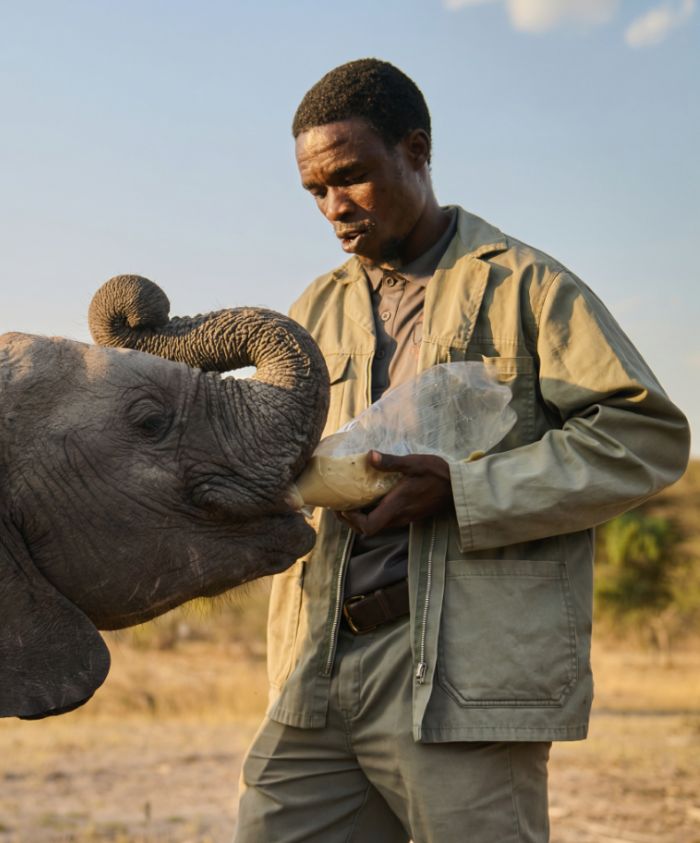
In Botswana, Elephant Havens is giving orphaned elephants a second chance. Many calves arrive after losing their families as a result of human pressures. Through intensive, round-the-clock care and long-term rewilding, they are prepared for life back in the wild. At the same time, community engagement helps reduce conflict by building understanding and coexistence strategies. Through partners such as Ulinzi Africa Foundation, the focus turns to the people on the frontlines. Rangers and communities are equipped with the skills, coordination, and tools needed to respond quickly and effectively to conflict situations, preventing escalation and protecting both lives and wildlife.

But conservation is not only about managing conflict. It is also about who leads the solutions.
Across our partnerships, women are driving some of the most impactful conservation work on the ground.

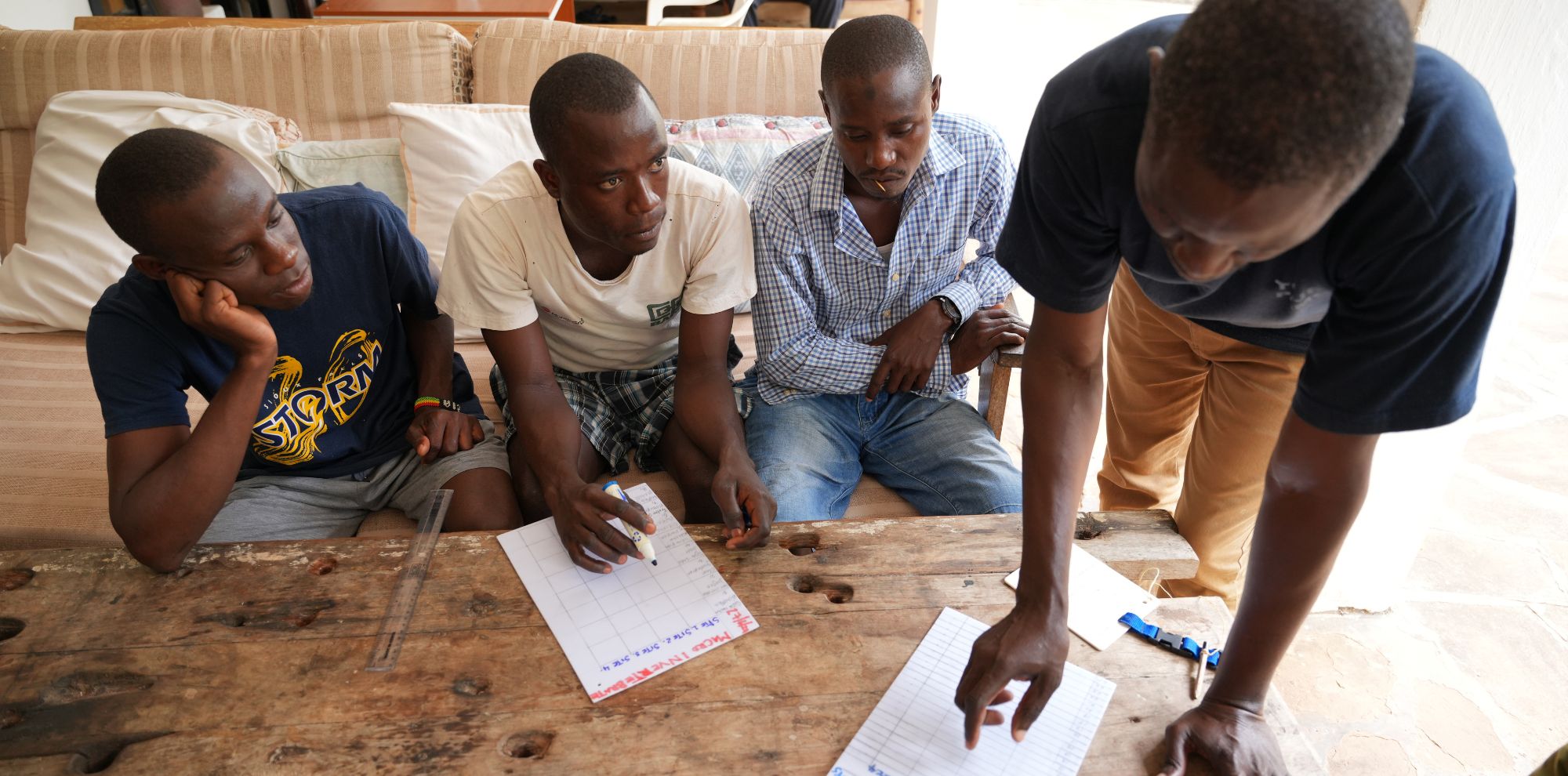
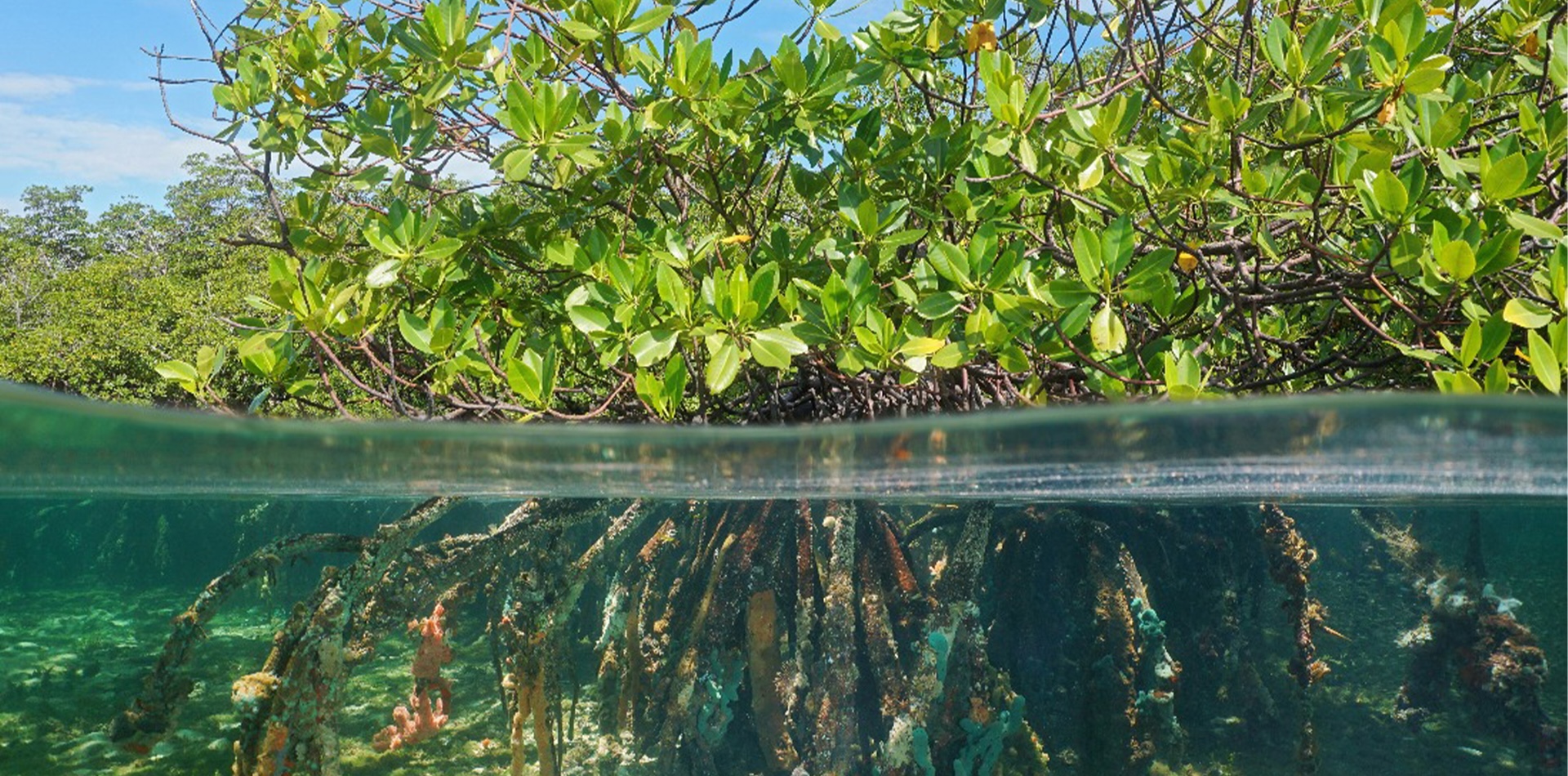
In coastal Kenya, the Mama Karangas are transforming conservation into opportunity. Through climate-smart kitchen gardens, recycling initiatives, and alternative livelihoods, they are reducing pressure on marine ecosystems while strengthening food security and incomes. Their work shows that when women lead, benefits extend across entire communities.

Leaders like Raabia Hawa are redefining what it means to protect wildlife. Her community-led approach ensures that conservation is inclusive, locally driven, and rooted in coexistence.

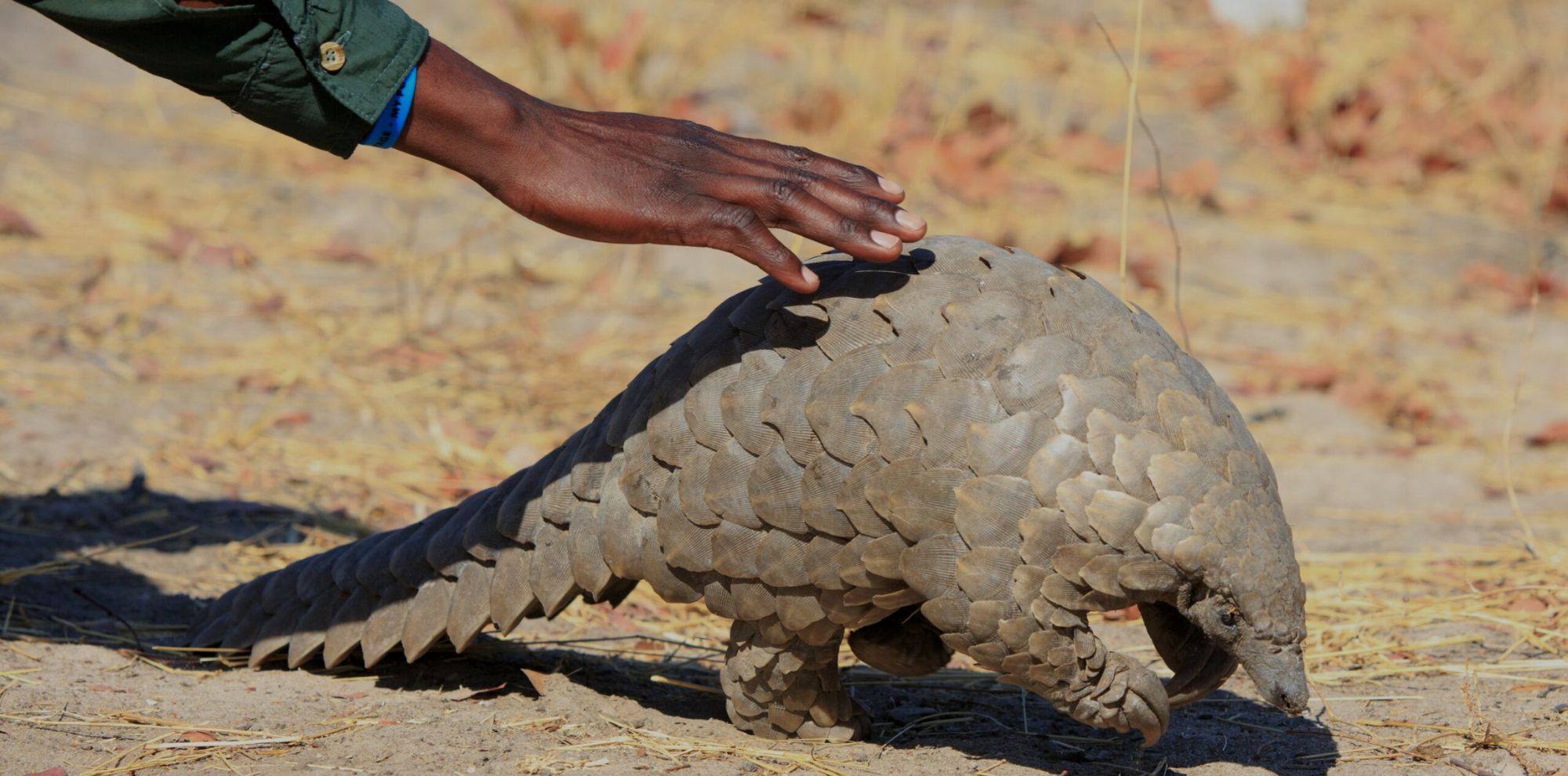
In Namibia, conservationists such as Kelsey Prediger are advancing critical research and rehabilitation efforts to protect one of the world’s most trafficked mammals. This work combines science, care, and long-term commitment to species survival
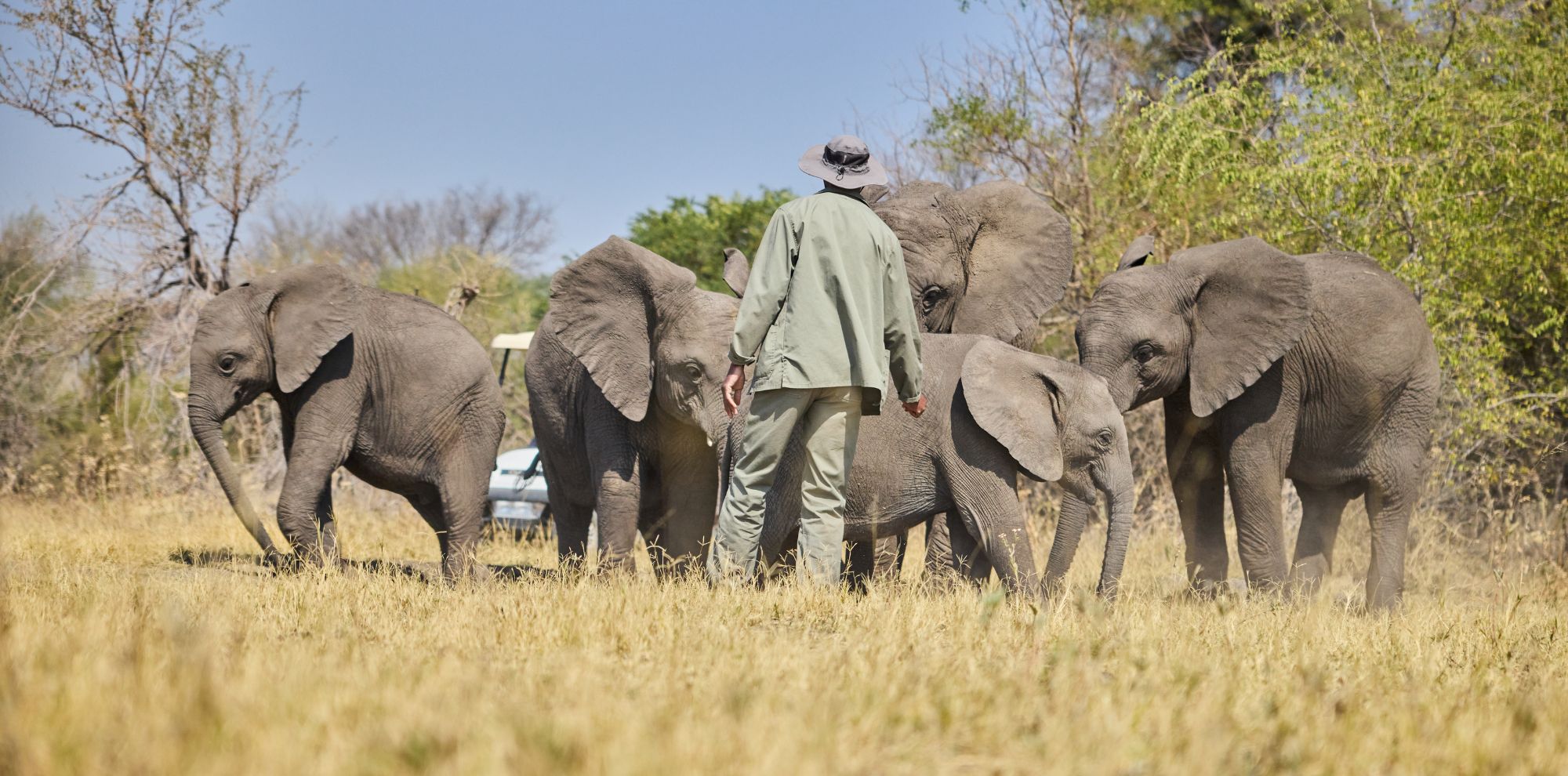
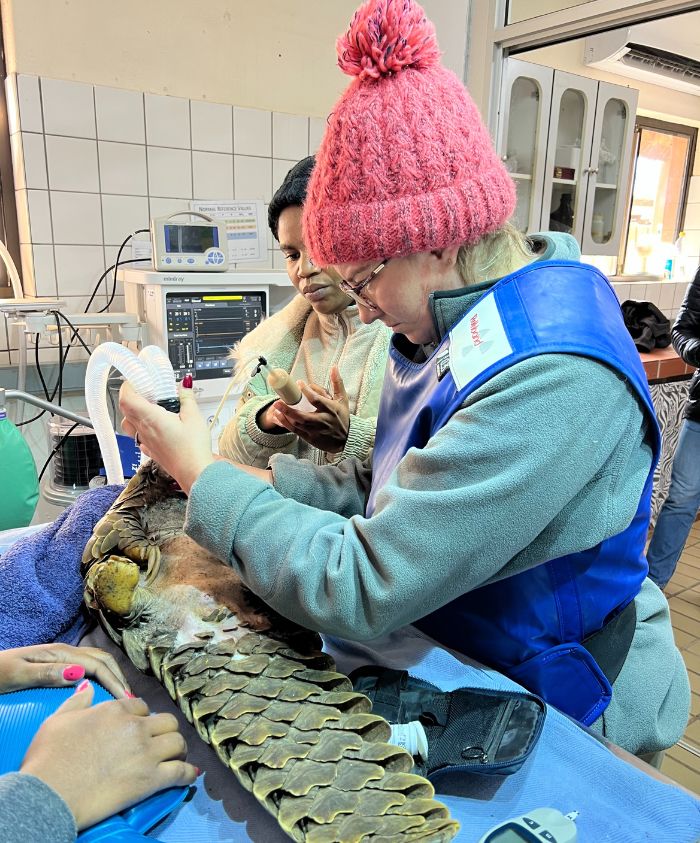
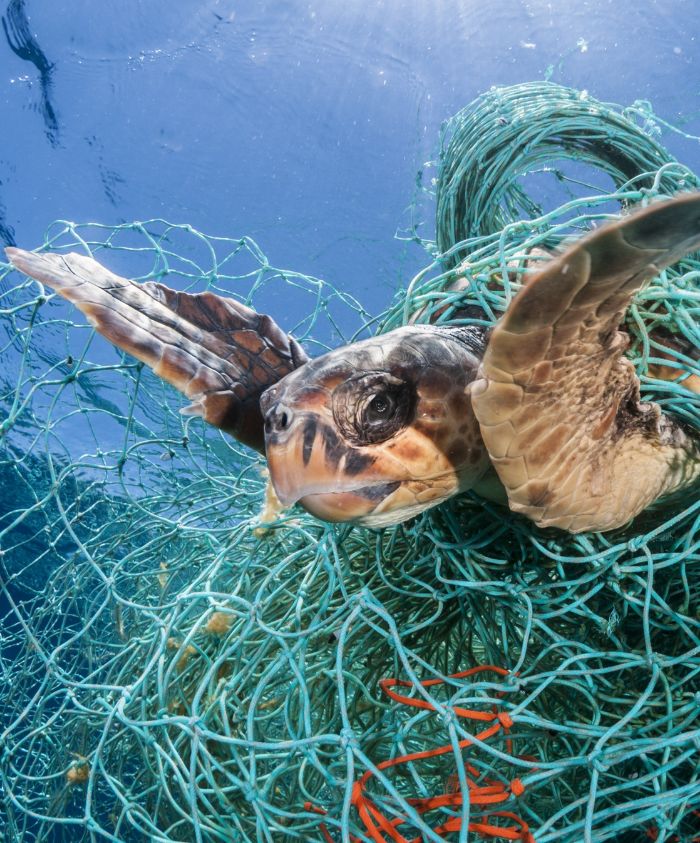
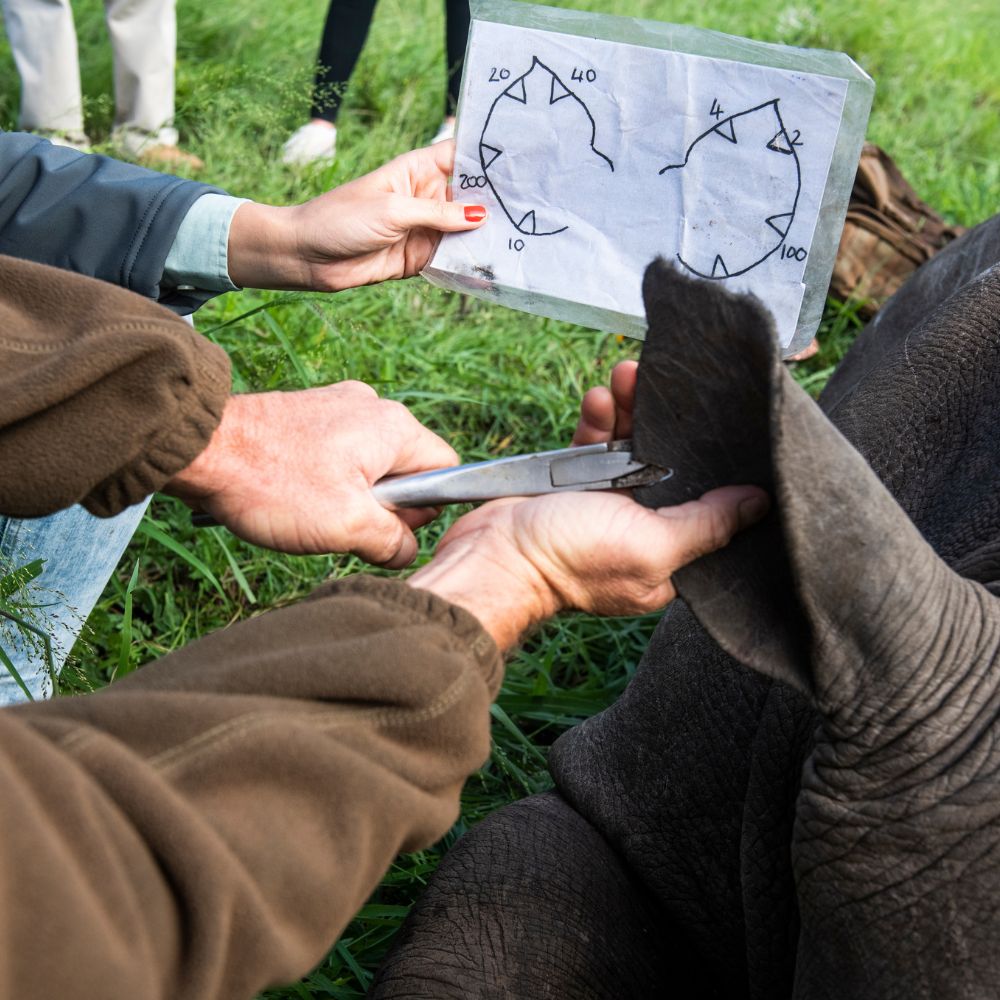
Local communities are leading the fight to protect turtles, pangolins, and elephants by safeguarding their habitats. By working with our local project partners, your impact is doubled through community-based conservation.

Please donate today, help make a difference to protect wildlife, strengthen livelihoods, and secure resilient wild places for generations to come.


More News