Ambition in Action: Matetsi's Conservation Story
There are places in Africa where conservation doesn't announce itself with fanfare, it simply happens, day after day, through the dedication of the people on the ground. Matetsi Private Game Reserve, situated on the Zambezi River near Victoria Falls, is one of those places.
Our contributing writer Savannah Varty tell us about her day with the team behind these efforts.
I recently had the privilege of spending time with the team behind Matetsi's conservation and anti-poaching efforts, and what I found was an operation of remarkable ambition, working to transform a once-depleted landscape into one of Zimbabwe's great wildlife success stories.
My first morning was spent in the company of Travolta Chatyoka, Matetsi's Operations Manager, driving across the concession. Travolta joined the team in June 2017 and has worked in several capacities alongside the Gardiner family, the founding family of the reserve. As we drove, he spoke about how far he'd seen this land come - and the scale of what had been required to achieve this. In the early days of the concession, the challenges were significant. It had been closed for years and subject to substantial negative human activity. The wildlife numbers were low; at one point they were down to only a single kudu amongst a few other scattered species. The team's first task was simply to make the land safe: over the years since, more than 500 wire snares have been picked up across the concession and over 4.5km of fishing net from the river. The roads were in disrepair, and the infrastructure had to be rebuilt from the ground up.
From Neglect to Renewal: Tackling the Challenges
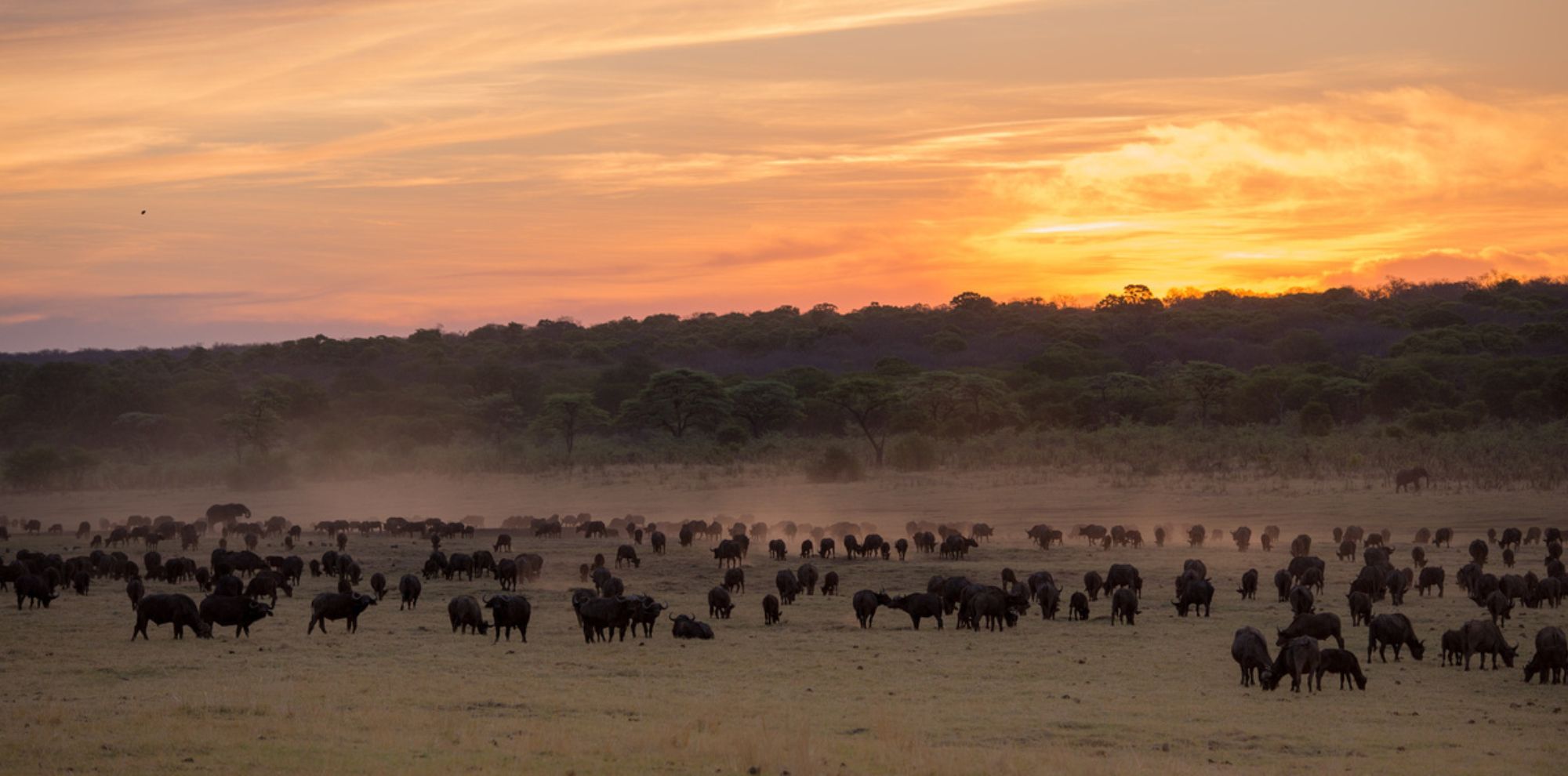
A decade later, Matetsi is virtually unrecognisable. The lodge reopened in 2016 following an extensive rebuild – salvaging and restoring as much as they could from the original – even down to the original teak doors. Today, over 400 species of mammals and birds inhabit the concession's diverse habitats, from its riverine forests along the Zambezi River to the vast interior plains on the other side of the main road. Twenty operational solar-powered boreholes now sustain wildlife across the entire property - a vital intervention in a landscape that receives only between 200 and 300 mm of rain per year. However, for every attempt at land management, nature sometimes doesn't play by the rules. The 2023 fire season brought one of the most serious tests in recent memory, when a blaze started in Botswana and the wind carried it into Zimbabwe, towards Matetsi. Luckily, the reserve's fire breaks, built and maintained with six tractors, a grader, two TLBs, and a dedicated fire truck, held firm, though it was a stark reminder of how quickly years all those years of work could be undone.
Wildlife Recovery: Patience and Persistence
Driving with Travolta made the scale of all of this tangible in a way that is probably best illustrated by the story of the return of the waterbuck. In 2022, the antelope had become locally extinct on the concession. Working alongside Zimbabwe National Parks, the team relocated 10 females and 4 males from Hwange, housing them in a boma while they acclimatised. In 2023, with the lowest water levels in recent memory and the threat of fire hanging over everything, things weren't looking good for the new arrivals. But slowly, with patience and persistence, the population grew. Catching sight of the waterbuck herd that day, entirely at ease and utterly unaware of the effort that had gone into their being there, while Travolta grinned from ear to ear, I felt the full weight of what had been achieved here.
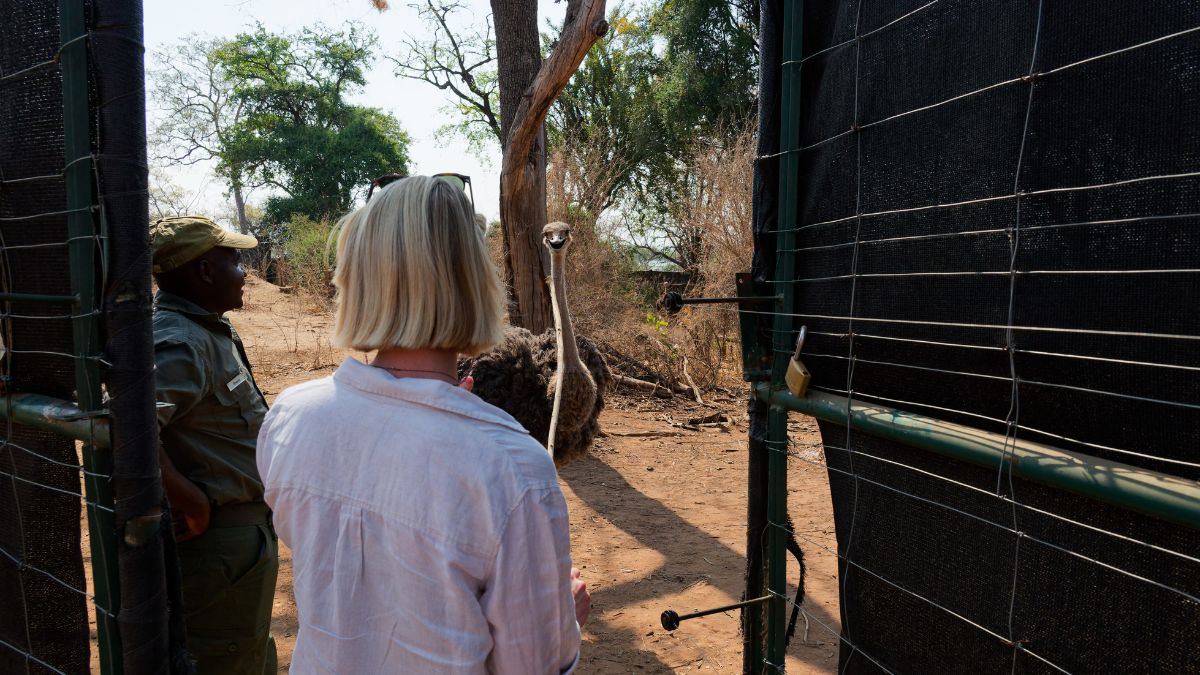
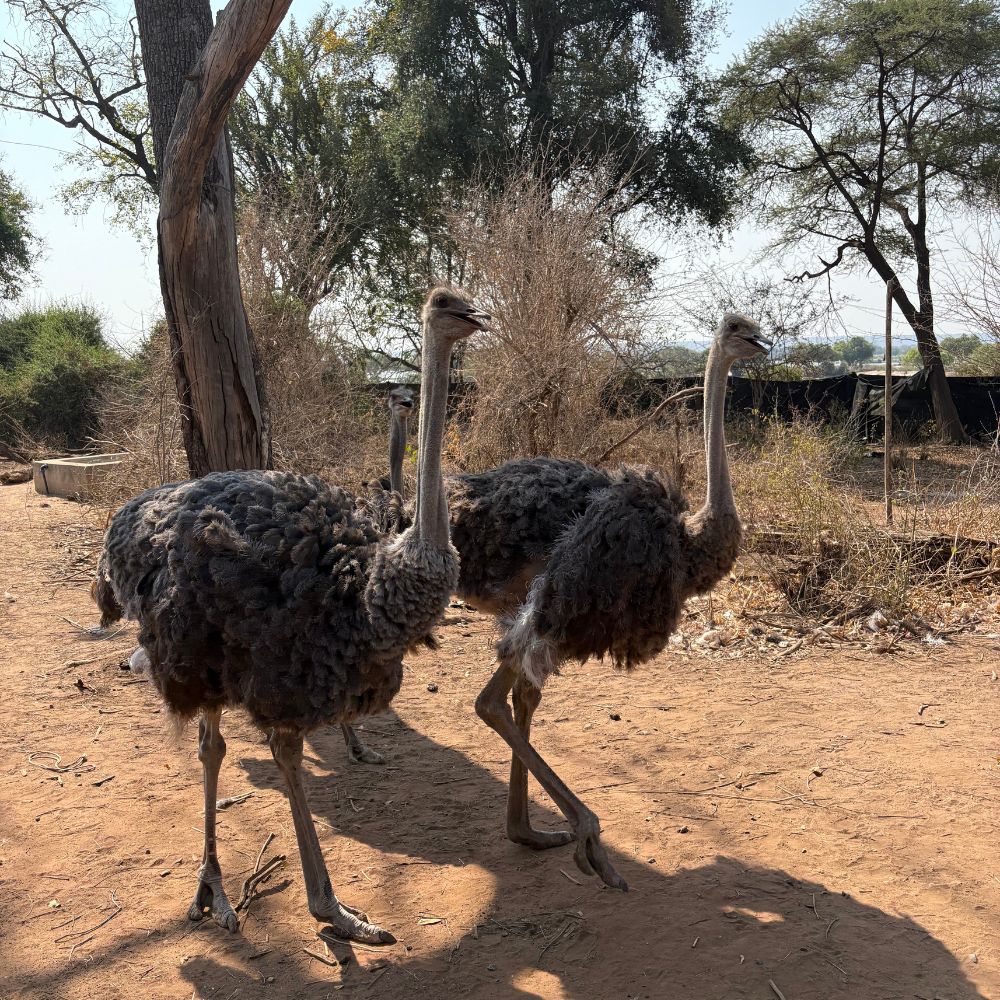
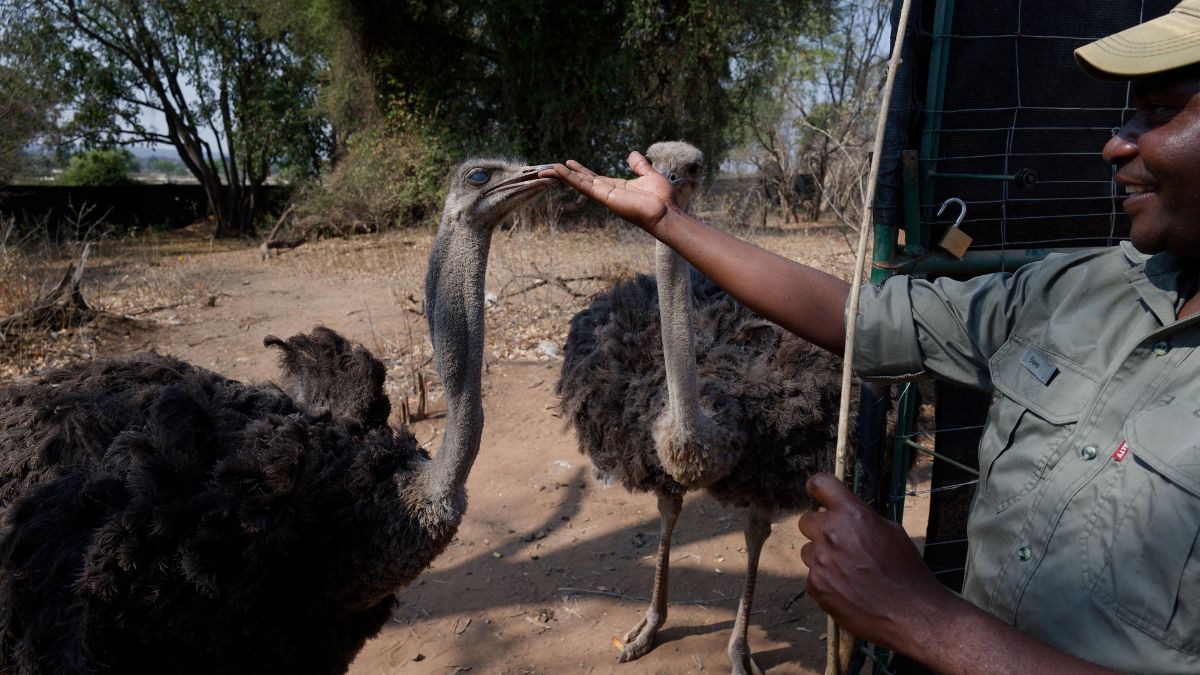
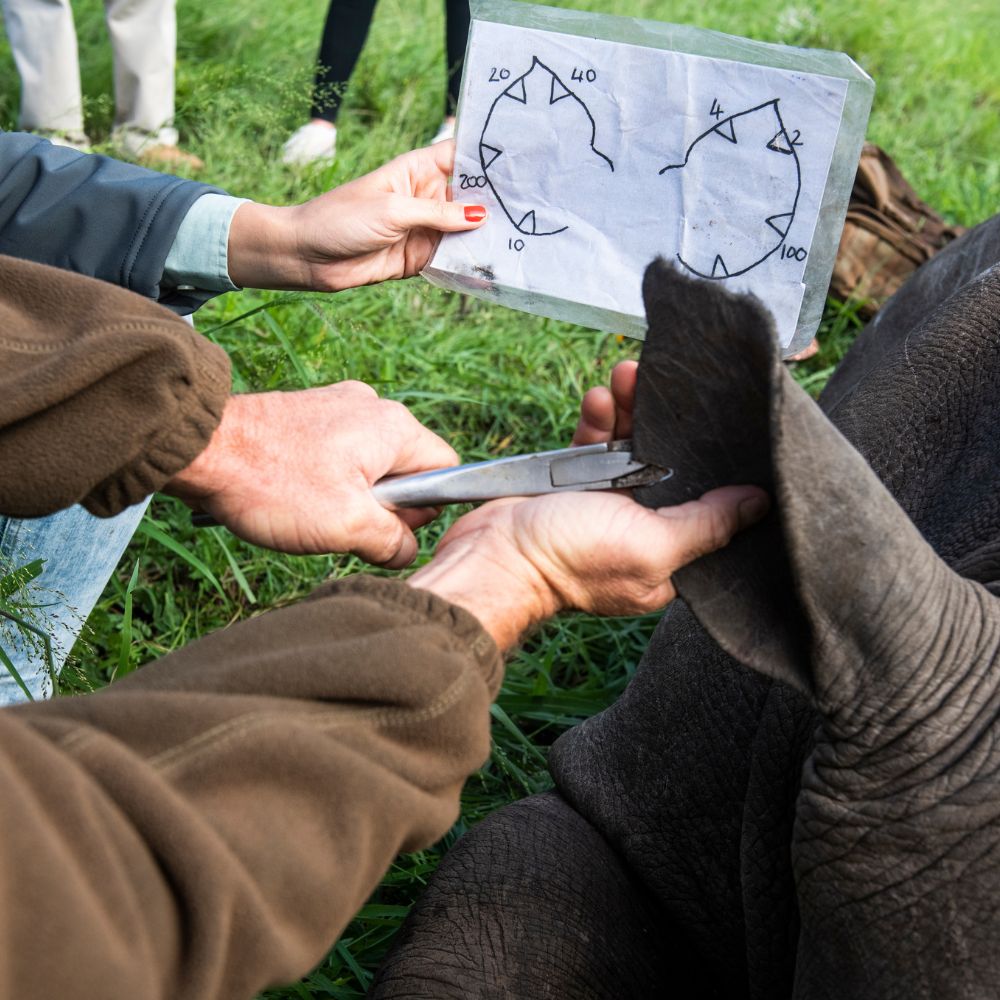
The challenge of ecological balance runs across the entire concession. At one point, the impala numbers on the northern side of the property had grown beyond what the land could sustain, leading to the need for the careful relocation of a large part of the herd. More recently, in August 2025, ostriches were introduced to Matetsi, and the team were tasked with raising them from two weeks old, in the same boma used for the waterbuck. Now over a year old and approaching release, they represent another milestone in the reserve's rewilding ambitions. Nyala are next on the wishlist, and in the longer term: the reintroduction of rhino.
Technology: Innovating for the Future
Back at the lodge, the anti-poaching unit's sergeant walked me through the reserve's control room. Here, Matetsi use EarthRanger, the same technology platform deployed in some of Africa's most sophisticated conservation operations. The intention is for the cameras to track activity across the reserve, while also using the system to monitor individual plants and trees. Small baobabs are mapped and tracked, with stone circles placed around them to protect them from elephants, though it seems that the elephants, ever intelligent, have learned to move the stones with their trunks. This means that the team must now work on finding new solutions. It was one of many moments when I was reminded that conservation is never a finished project. It is a permanent, evolving conversation with nature.
Matetsi is also embracing technology in its annual game count. This year, the team is trialling AI-assisted counting, mounting a camera to an aircraft to photograph wildlife across the concession. It is this willingness to adapt, to try something new and then try something else when the elephants outsmart you, that gives Matetsi its particular character. The people here are not precious about how things have always been done. They are focused on what works.
Amaganyane: An Aspirational Force
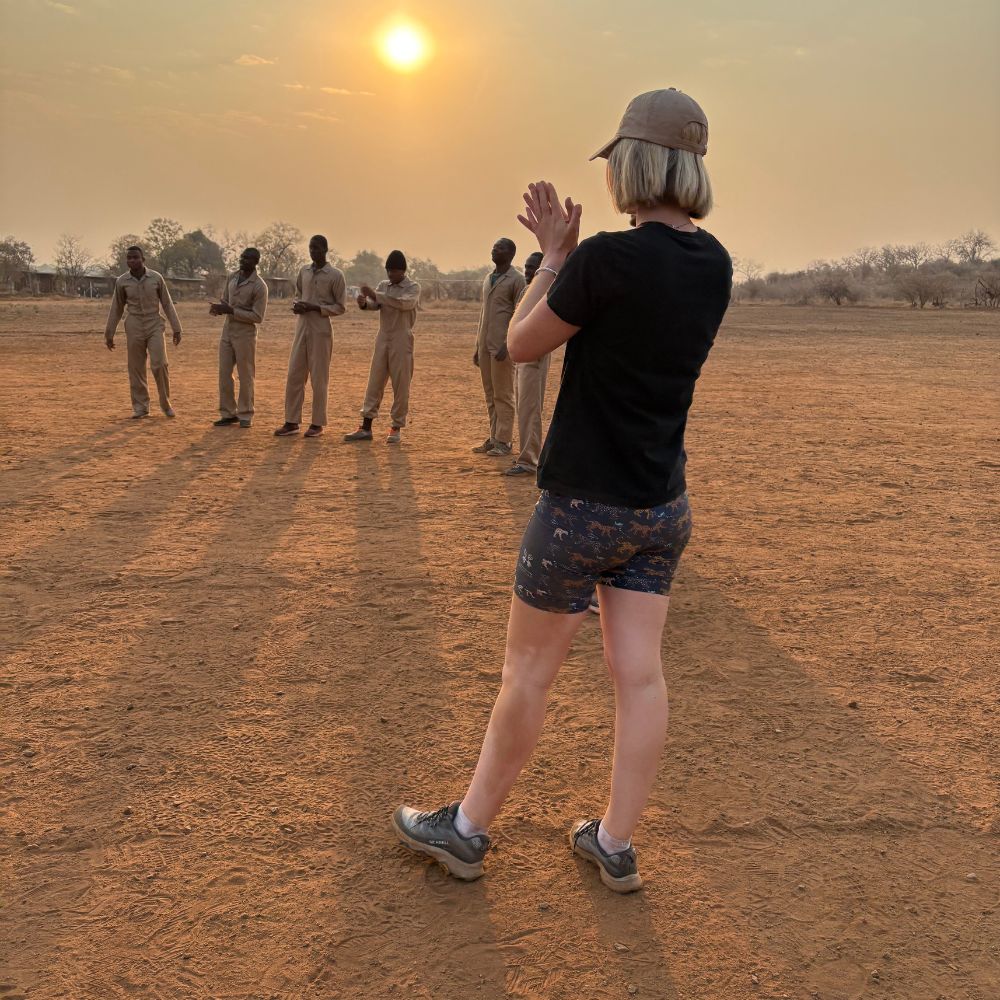
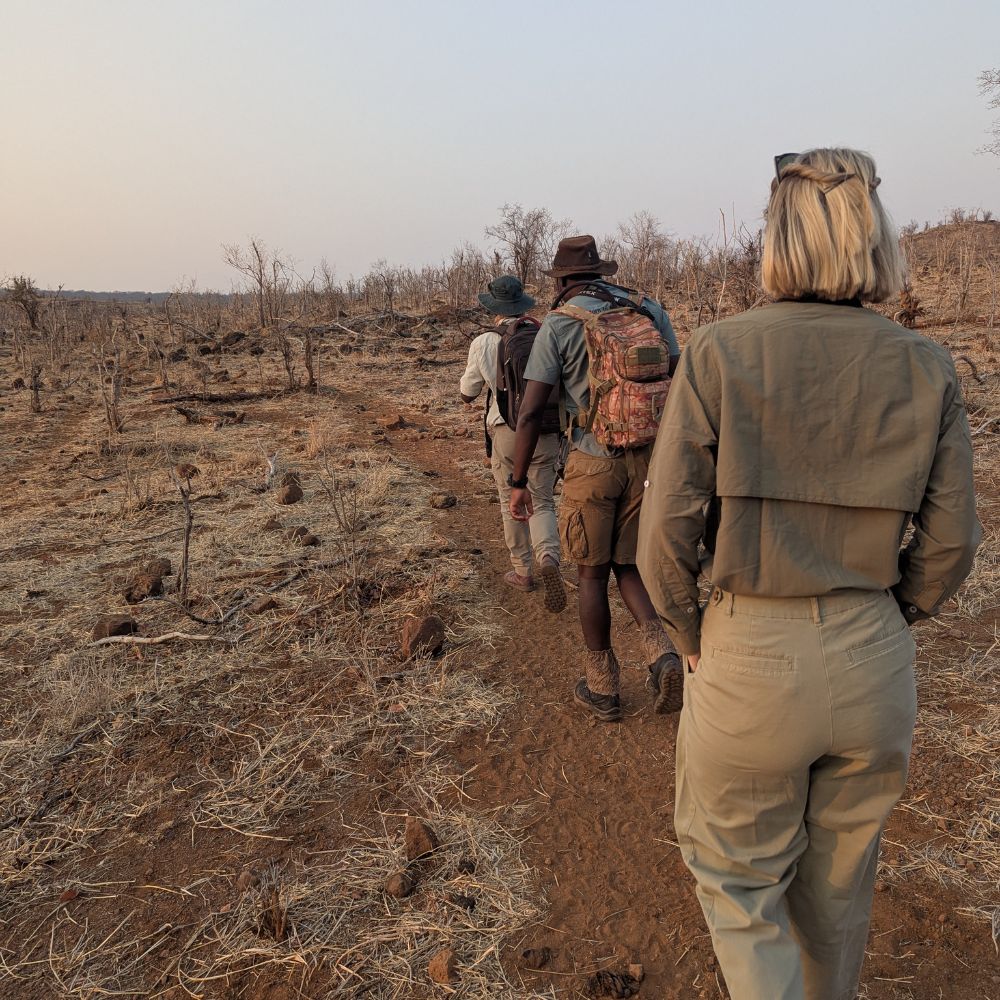
My second morning began before dawn. I had been invited to join the Amaganyane, Matetsi's anti-poaching unit, whose name means "The Wild Dogs", for their morning fitness drills and training exercises, and I will confess that I had underestimated what I was signing up for. Amaganyane was founded in 2021 and now numbers 60 recruits, all trained on site, and what is physically required of them is immediately evident. Joining in as they moved through their drills, singing in unison in the early morning light, I found myself humbled. These individuals patrol on foot across some of the most demanding terrain the concession has to offer, covering extraordinary distances each day - in some cases up to 300km. I tried my best to keep up with them, while they tried their best not to laugh at me.
What struck me as much as their physical capability was their camaraderie. The Amaganyane are a team united by genuine purpose. They are a disciplined formation, with their commitment on display through their ranks, from their seniors to the newest recruit. The unit operates out of a base near the boundary on the Zambezi River, with its main control room and office behind the main lodge. Three patrol vehicles and a boat serve the team, while a network of eight solar-powered radio towers ensures communications remain robust across the entire concession. Connectivity in a landscape of this scale is never straightforward. Matetsi uses a combination of Starlink and air fibre to keep the lodge online, as running cables to such a remote location simply isn't feasible. The system is therefore monitored remotely using mobile phones: if a tower goes down, they know immediately.
Community: At the Heart of it All
Conservation at Matetsi does not exist in isolation from the communities that surround it. The over 200 staff at the reserve come from across Zimbabwe, and community engagement is woven into the fabric of how the operation runs. Guests who wish to do more during their stay can visit Kituso Primary School, a local school that the team worked together with to pipe water from a local borehole to, a project completed in early 2025. Matetsi also contributes towards the Headmasters' Fund, which provides monthly financial support to two local schools, with each reporting back on the impact their funding has had. There is also the opportunity to participate in “Pack for a Purpose”, bringing supplies for new mothers at local hospitals or to distribute to children in the nearby communities. The generosity of guests, combined with the commitment of the team on the ground, means that Matetsi's impact extends well beyond the boundaries of the concession itself.
A Vision for the Future
What strikes me most, looking back on my time at Matetsi, is not any single achievement but the drive to make an impact across a wide range of areas, both in terms of geography and project scope. The concession is held on a 50-year lease; however, the conservation vision extends far beyond that. Looking back on what has been achieved in just over a decade, from snare removal to borehole installation, from waterbuck reintroduction to AI-assisted game counting, from community water projects to the Amaganyane anti-poaching program - it all flows from the same commitment: to restore this landscape and share its future with the people who live alongside it.
Please Support Us Today
Your generous support is fundamental to the continuation and ongoing success of these inspiring initiatives. There are also opportunities to hop on board and actively get involved.
To find out more and how your donation will make a positive impact, please email support@pelorusfoundation.com.