Build to Last: Why Community-Led Carbon

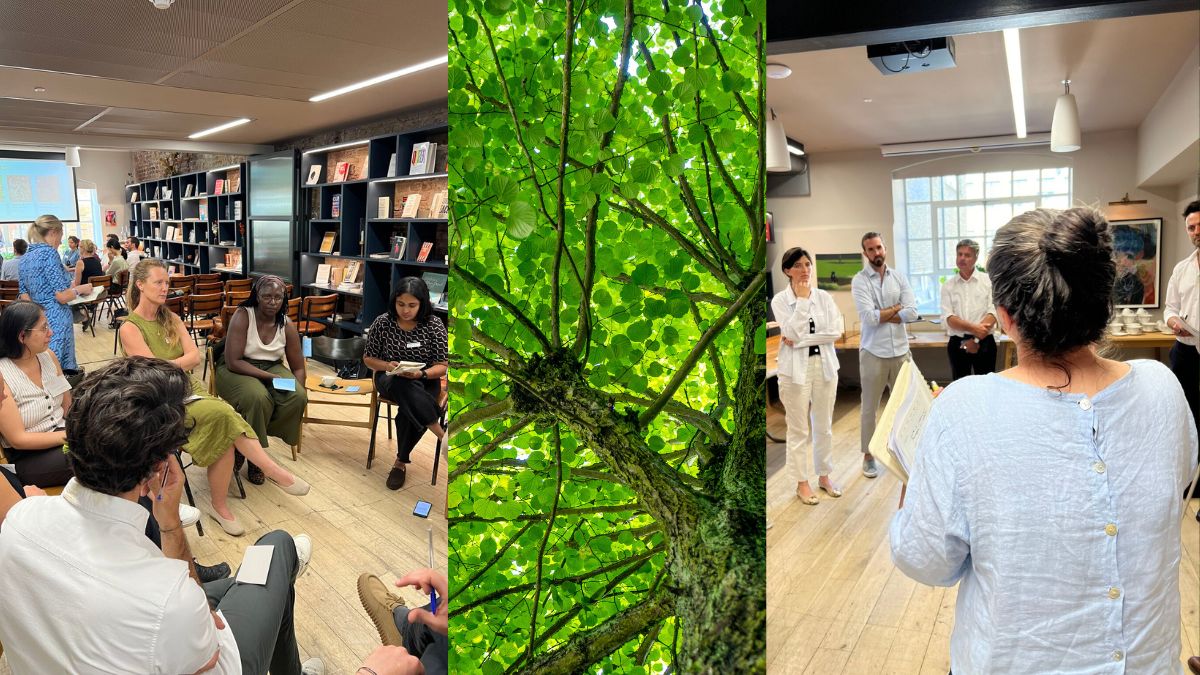
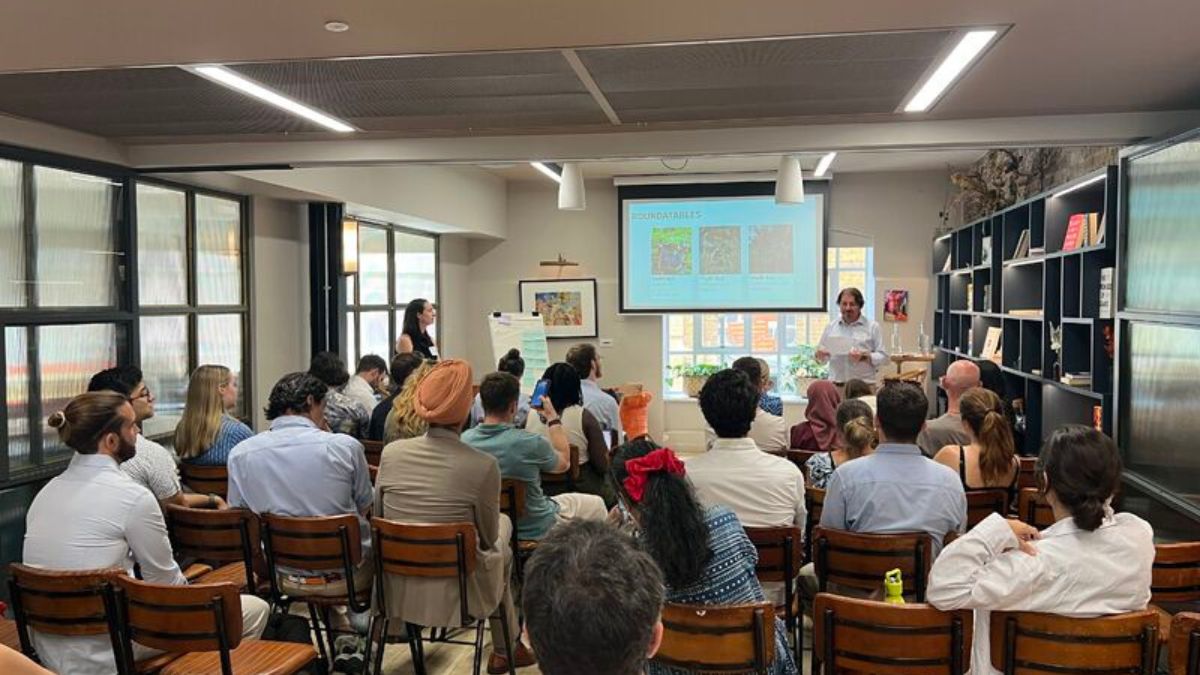
During London Climate Action Week 2026, Pelorus Foundation joined a closed Plan Vivo session at The Conduit, where project developers, buyers, and market actors explored out loud how community-led carbon projects can prove their integrity, impact, and investment value.

With London facing a heat wave, climate change felt close to home. Conversations about delayed trains became a reminder that climate resilience is no longer abstract.

Against that backdrop, the voluntary carbon market matures, buyers are becoming more demanding. They want clarity, robust evidence, and integrity.

Recent developments such as the ICVCM Core Carbon Principles and the growing recognition of mitigation beyond the value chain are helping to shape a market that chooses quality.

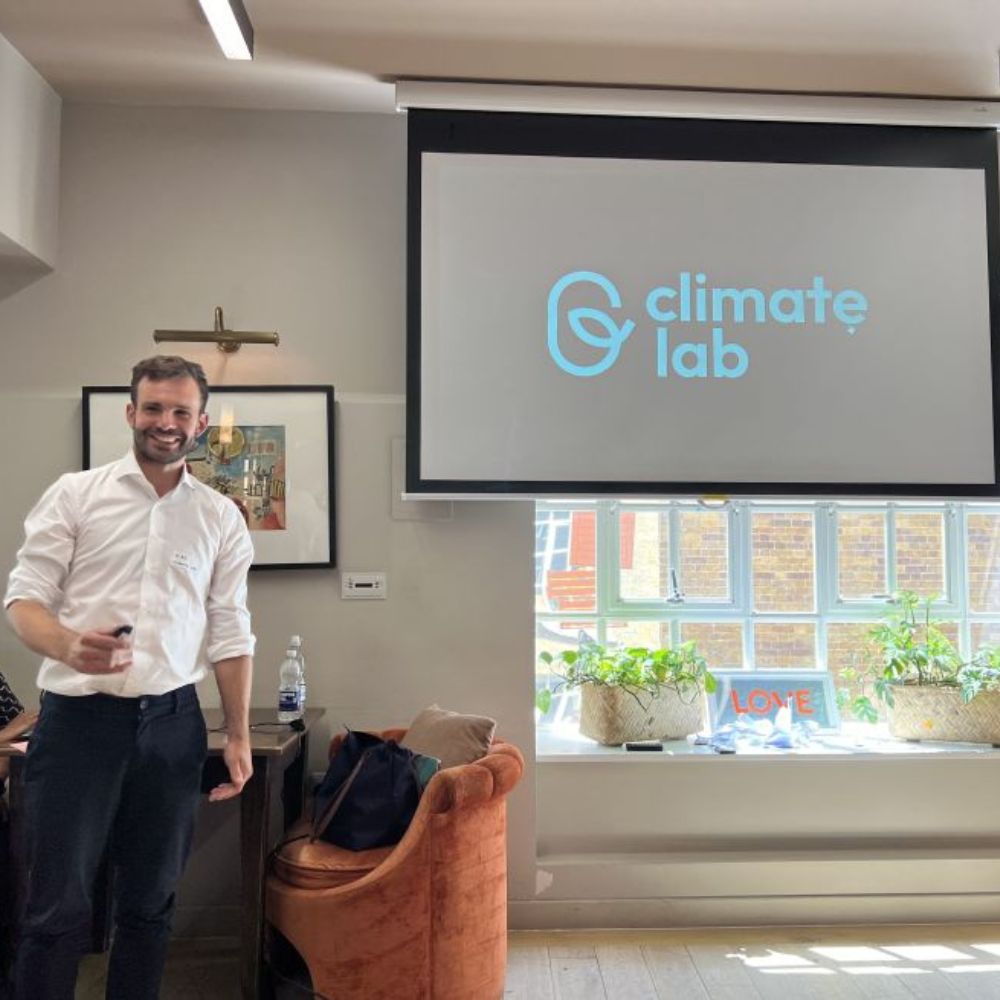
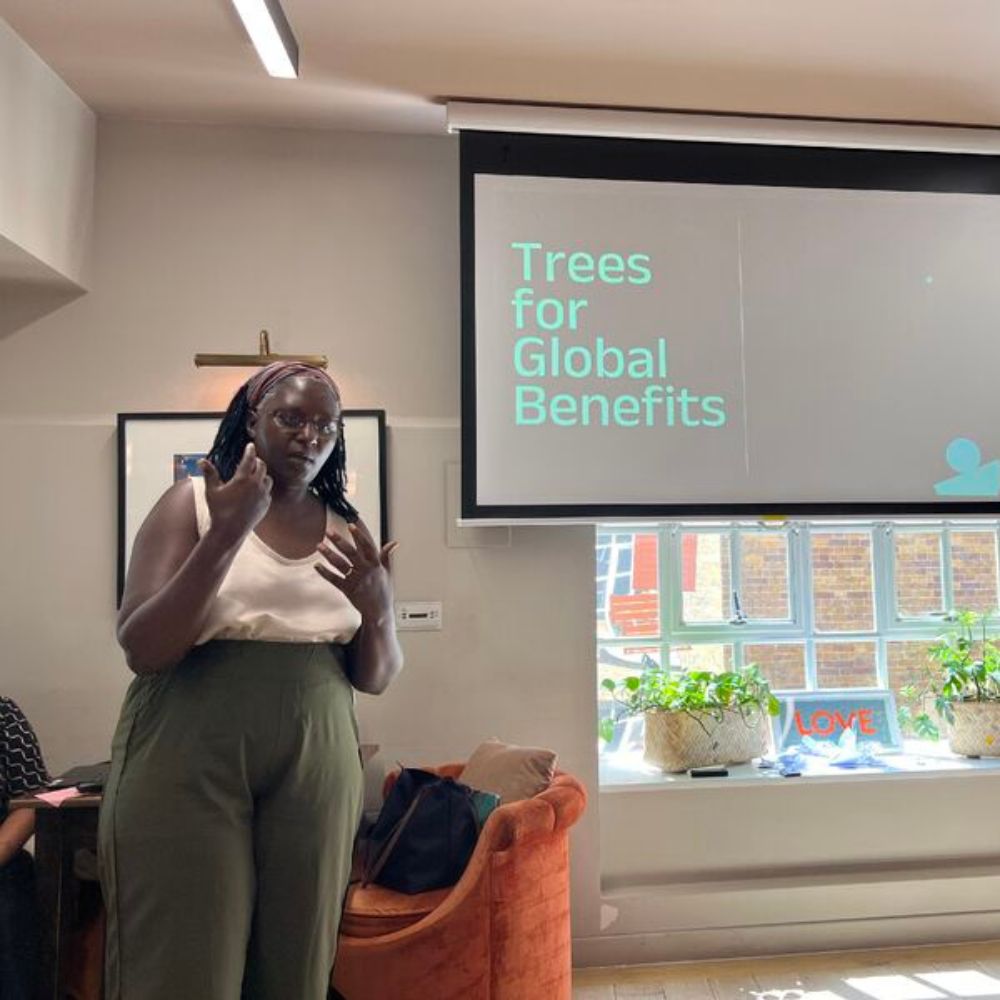
Plan Vivo has been at the heart of this space for decades. At the session, Plan Vivo brought together voices from Climate Lab, ECOTRUST Uganda, and our Climate Investment Fund Taking Root.

The key message was clear: Communities are not the risk, they are the solution to poorly designed projects.

Carbon Myths

There is still a misconception that projects involving indigenous Peoples and local communitiesare inherently more difficult, slower, or less reliable. In practice, genuine local ownership can strengthen long-term outcomes. When comunities are involved in project design, governance and benefit sharing, they become people who protect the landscape and carry the project through the decades needed for lasting climate impact.

Another myth was that nature-based project are always low-cost and low-tech. In truth, high-integrity forest carbon requires long-term relationships, scientific monitoring, transparent data, independent verification and continued investment in people on the ground.

This was especially relevant to Pelorus Foundation through our Climate Investment Fund partner Taking Root. In Nicaragua, CommuniTree supports nearly 5,000 farming families to restore degraded land, grow trees and access carbon finance. Hearing from Taking Root reinforced that successful forest carbon depends not only on accounting, but on farmer relationships, field support and long-term forest care.

Value and Scale

Perhaps the most powerful theme was value. The strongest projects are not only delivering tonnes of carbon. They are also supporting livelihoods, strengthening biodiversity and creating jobs that build resilience for communities facing the effects of climate change. For responsible organisations, this is where beyond-value-chain mitigation can become meaningful: not as a susbtitute for reducing emissions, but as an additional way to finance climate action that benefits people, wildlife, and wild places.

For Pelorus Foundation, the message was deeply aligned with our mission. Through the Climate Investment Fund, we support high-integrity carbon removal and ecosystem restoration that goes beyond balancing emissions. We seek solutions that strengthen landscapes, protect biodiversity and support the communities leading that work.

As London sweltered outside, the conversation inside The Conduit returned again and again to what makes climate action durable. It is not enough for projects to look good on paper. They must work for the people who live with them, protect the ecosystems that sustain them and stand up to scrutiny from an increasingly informed market.

The future of nature-based climate action will not be built by removing communities from the equation. It will be built by recognising them as central to the solution.

Community-led carbon projects are not a softer option. When done well, they are the one effective solution that is built to last.

Please Support Us Today

Your generous support is fundamental to the continuation and ongoing success of these inspiring initiatives. There are also opportunities to hop on board and actively get involved.

To find out more and how your donation will make a positive impact, please email support@pelorusfoundation.com.