Protecting Malawi's Forests and Wildlife

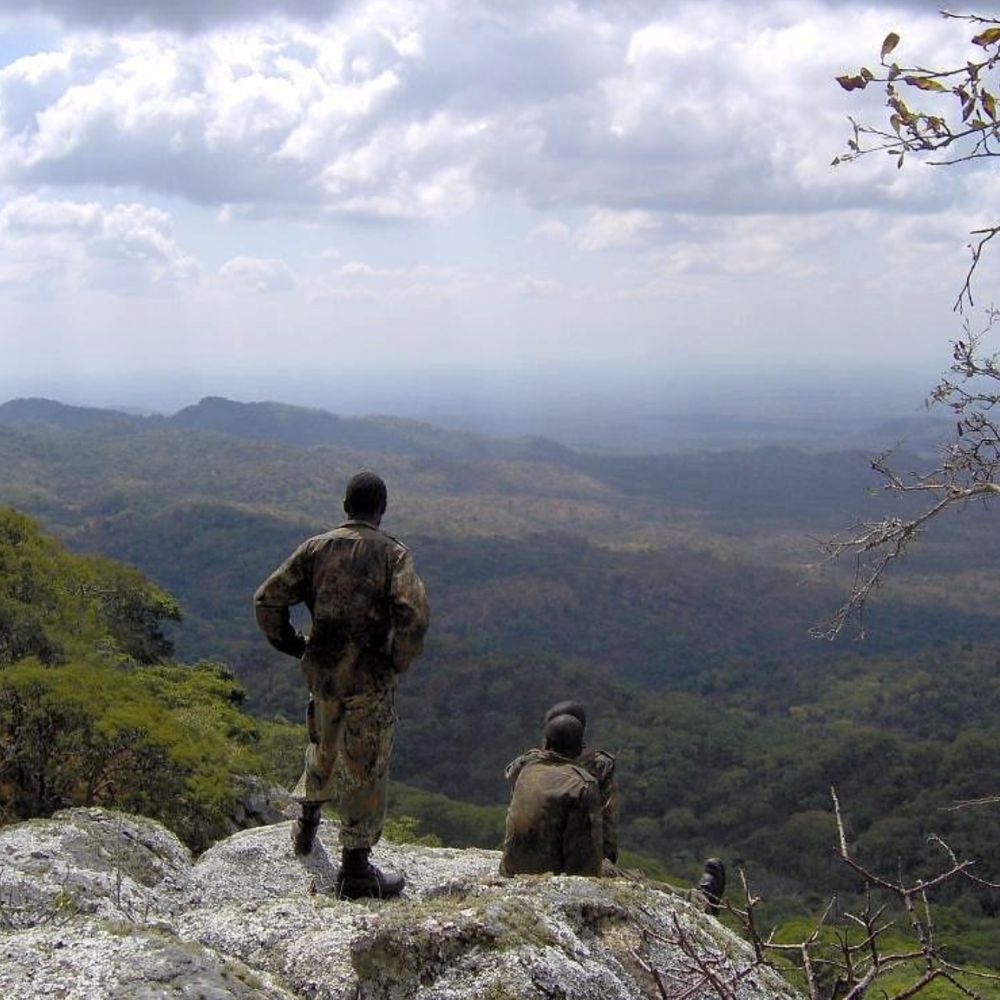
In central Malawi, the steep escarpments between Lilongwe and Lake Malawi are home to two remarkable protected forests: Thuma Forest Reserve and Dedza-Salima Escarpment Forest Reserve.

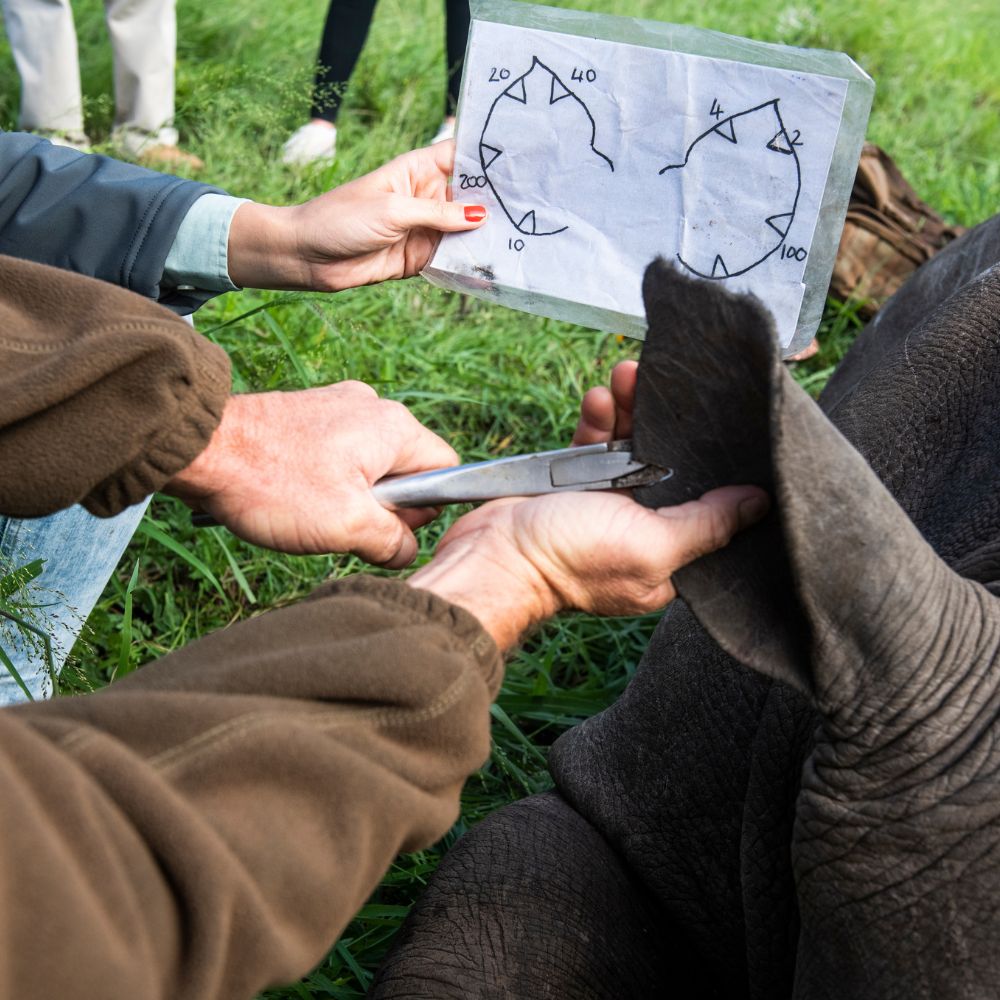
Together, these forests cover more than 500 km² and protect vital water catchments whose streams eventually flow towards Lake Malawi. Within them are more than 168 recorded tree species, and over 32 species of larger mammals. Wildlife Action Group estimates that the elephants living across the two reserves represent around 10% of Malawi's total elephant population.

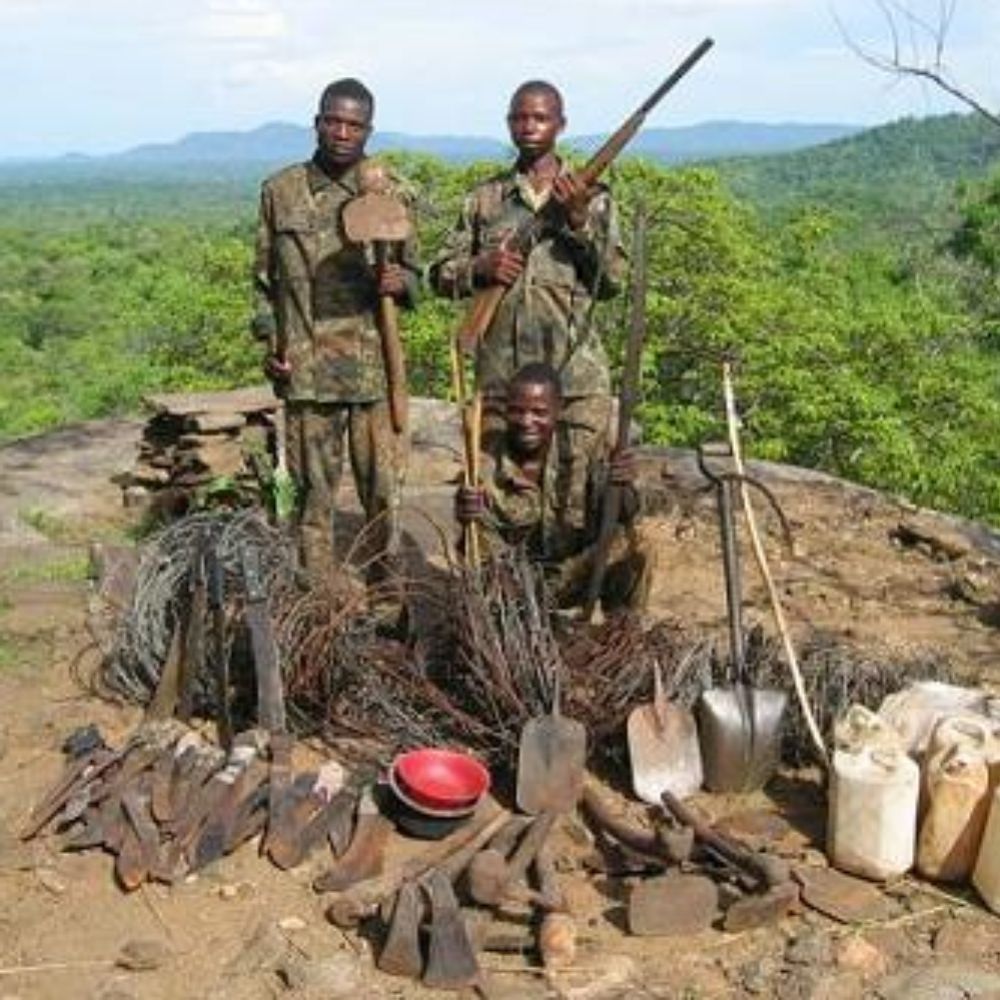
Yet these forests face persistent pressure from poaching, snares, illegal charcoal production, logging and encroachment. Protecting them requires people on the ground every day.

That is why Pelorus Foundation Pelorus Foundation is supporting consevation efforts in Malawi through specialist ranger team Big Five Protection, to deliver specialist training to the ranger team at  Wildlife Action Group Malawi, the local organisation protecting and restoring Thuma and Dedza-Salima Forest Reserves.
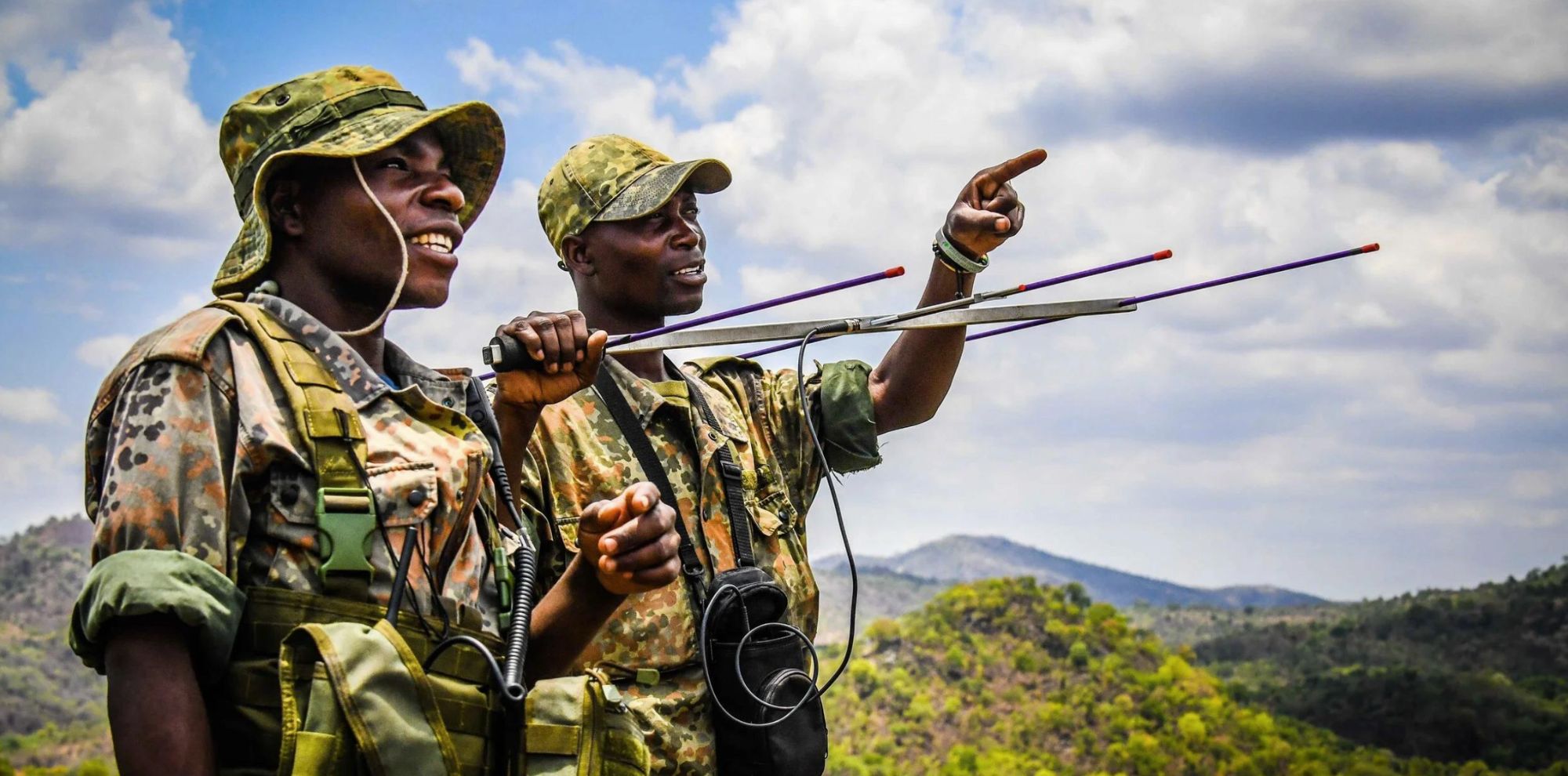
At the heart of our partner's work are its rangers. Every day of the year, ranger teams patrol the forests on foot, detecting illegal activity, removing snares and protecting wildlife from poaching. Their work is reinforced by intelligence gathering, investigations, and collaboration with local police, prosecutors and the judiciary to help ensure wildlife crimes lead to meaningful consequences.

Leading much of this work is Lynn Clifford who has spent years confronting elephant poaching, deforestation and human-wildlife conflict while working closely with communities living around the reserves.

As elephant habitat becomes increasingly fragmented, encounters between people and wildlife can threaten crops, livelihoods and lives. WAG works with local communities on practical solutions, including solar-powered electric fencing, awareness programmes and rapid-response systems that allow communities to alert teams when elephants leave protected areas so they can be safely guided back.
This combination of ranger protection, community partnership and human-wildlife coexistence is helping create space for nature to recover.

WAG's ongoing monitoring indicates increases in wildlife populations including elephants, buffalo, and kudu, demonstrating what becomes possible when sustained protection and effective management are put in place.

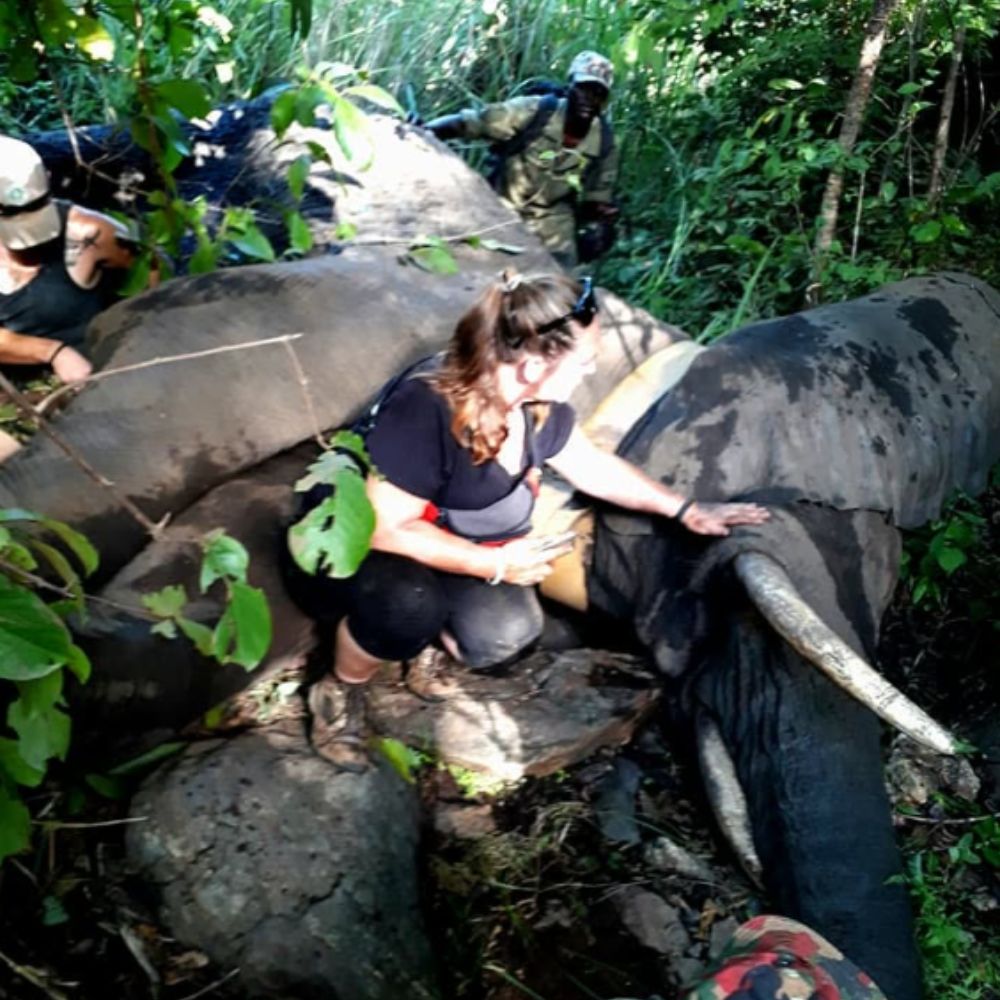
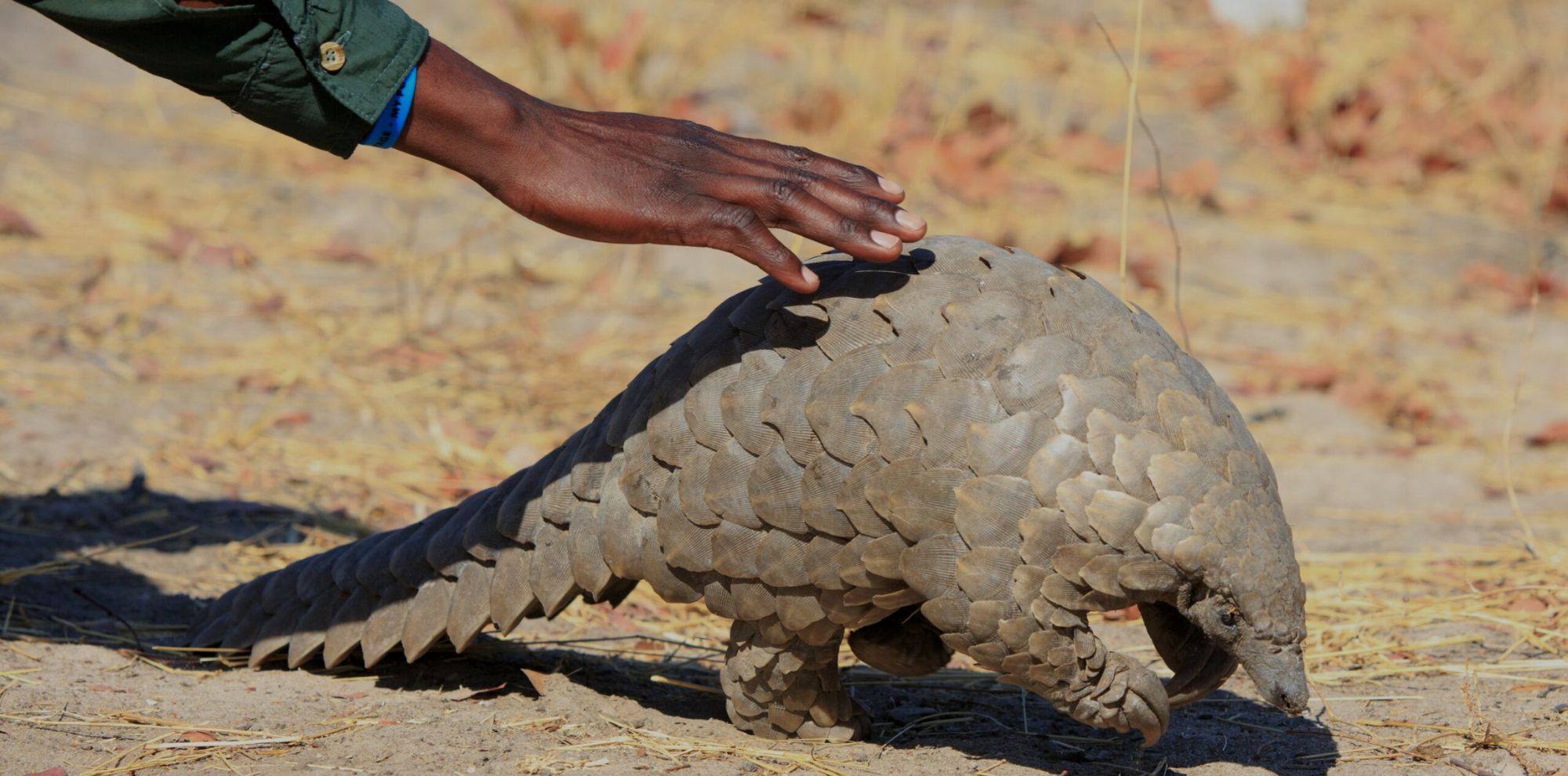
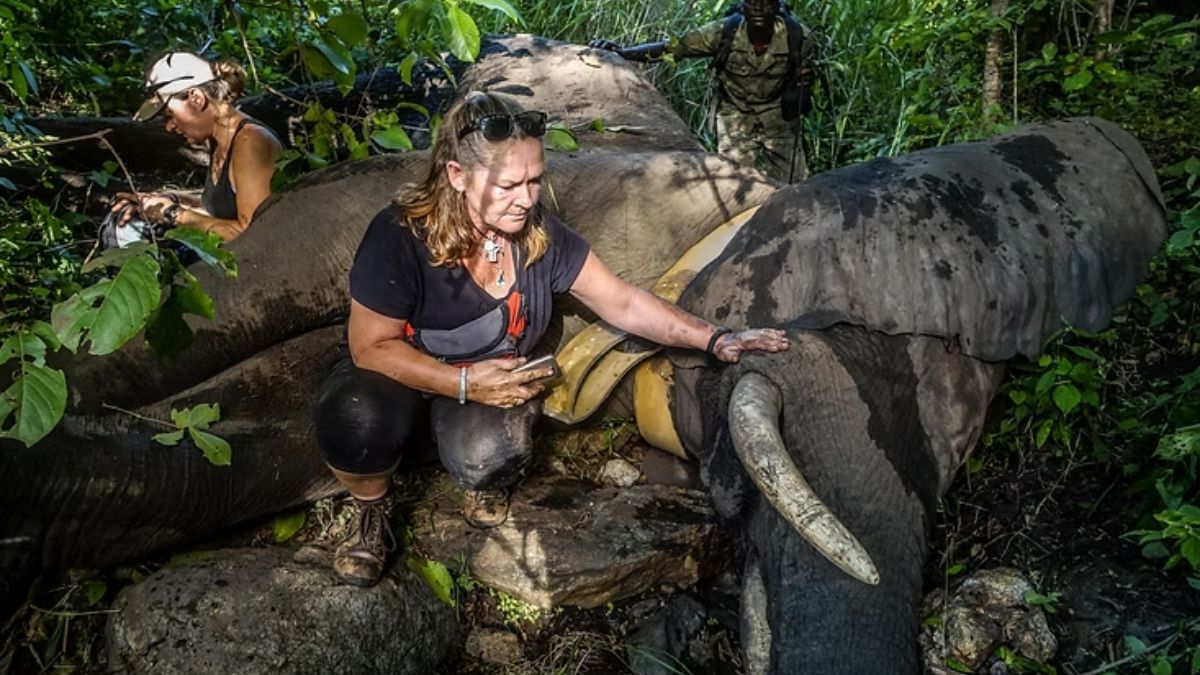
This work also extends to animals already affected by human pressures. WAG teams rescue and rehabilitate wildlife caught in the illegal pet trade, release suitable animals back into protected habitat and respond to injured wildlife, including elephants wounded by snares.

For Pelorus Foundation, supporting Wildlife Action Group reflects our belief that lasting conservation requires more than protecting individual animals. It means equipping the people defending them, protecting the landscapes they depend on and working alongside communities to make coexistence possible.

"The children and wildlife growing up beside protected forests do not know your name. But each of them has benefited from your support."

- Lynn Clifford, Director of project parnter Wildlife Action Group Malawi.

Please Support Us Today

Your generous support is fundamental to the continuation and ongoing success of these inspiring initiatives. There are also opportunities to hop on board and actively get involved.

To find out more and how your donation will make a positive impact, please email support@pelorusfoundation.com.