Consequences of whaling on polar minke populations

Despite its name, the ‘common’ minke whale is not so common due to the lasting effects of whaling during the Industrial Revolution where many whale species were hunted for oil. This article considers the status of minke populations today and the important research conducted in the Southern Ocean to assess their populations.

Whaling History

Dating back to the 9th century, hunting whales for their meat and oil was especially popular in multiple sea-faring nations such as Norway and the Basque region. The advent of technology combined with increased demand for whale products is what catapulted this cultural past time into a major industry.

The invention of the steam ship and harpoon canon allowed a more efficient capture of larger whales than previous times. This led to the depletion of whale stocks and the formation of the International Whaling Commission (IWC), set up to regulate commercial whaling. Between 1985 and 1986 there was a pause in whale harvest, often labelled the commercial whaling moratorium which banned all commercial whaling. This remains in place to this day.

Multiple countries (most notably Norway, Iceland and Japan) campaign to lift the international moratorium for certain stocks of commercial whaling, often citing ‘scientific research’ and ‘depletion of fish stocks’ as a guise for their illegal whaling activities. Interestingly these countries are deemed some of the world’s most environmentally responsible nations.

In 2019 Japan boldly withdrew from the IWC and resumed commercial whaling, regardless of the significant decline in domestic demand for whale meat. Additional use of nostalgia-inducing adverts that targeted older generations to eat more whale meat, also saw no great impact. In 2021, this withdrawal from the IWC led to Japanese whaling vessels hunting a self-allocated quota of 171 minke whales, 187 Bryde's whales and 25 sei whales.

Minke Whales

Today, minkes along with belugas, narwhals and pilot whales are the most commonly hunted species predominantly due to their small size. Minke whales on average are only nine to ten metres long at maturity, dwarfed by their baleen relative, the blue whale, which reaches a colossal 31 metres upon adulthood.

Current estimates suggest greater than 100,000 dolphins, smalls whales and porpoises are still killed every year for supposed population assessment. However, there is still much debate over the sovereignty and sustainability of whaling, whale intelligence, and the need for lethal sampling when determining scientific quotas. Additionally, the unintentional killing of whales from human impact such as net entanglement, vessel strike, and chemical spill is of substantial concern in conservation management.

A graceful whale swims below the surface of a clear blue ocean, partly illuminated by sunlight. Its sleek body glides effortlessly through the water.

In general, minke whales have been studied in great detail, however there are some populations in ecologically remote locations such as the Southern Ocean which require further investigation. Furthermore, due to their small size and elusive nature, much research regarding their migratory patterns and feeding ecology remains a mystery.

Recent advances in passive acoustic monitoring (PAM), use of unmanned aerial vehicles, and photo identification using artificial intelligence have shed light on their movement and ecology. The Pelorus Foundation supports the research of world leading scientist Ari Friedlander and his team to better understand the feeding of baleen whales and the everchanging anthropogenic impact of whale physiology and behaviour.

Please support us today

Your generous support is fundamental to the continuation and ongoing success of these inspiring initiatives. There are also opportunities to hop on board and actively get involved.

To find out more and how your donation will make a positive impact, please email support@pelorusfoundation.com.

More News

From 19 women to a Coastal Movement

What started with 19 women in Kuruwitu is growing into a coastal movement, as Mama Karangas share their Trash for Cash model with neighbouring communities to protect marine habitats and strengthen local livelihoods.
Protecting Malawi's Thuma Forest Reserve

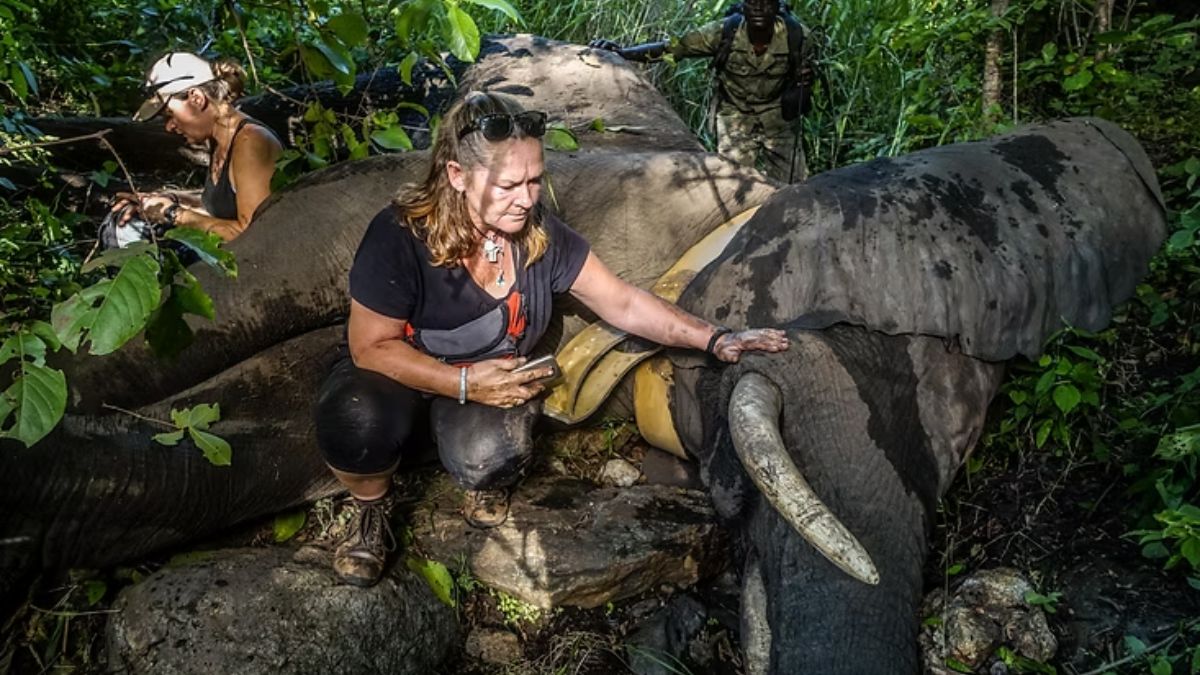
Wildlife Action Group Malawi works to protect Thuma and Dedza-Salima Forest Reserves through frontline ranger patrols, wildlife protection and community-led conservation, helping safeguard elephants, forests and the people who depend on them.
A Simple Bag, A Cleaner Coast: Pelorus Foundation Partners with PISPO

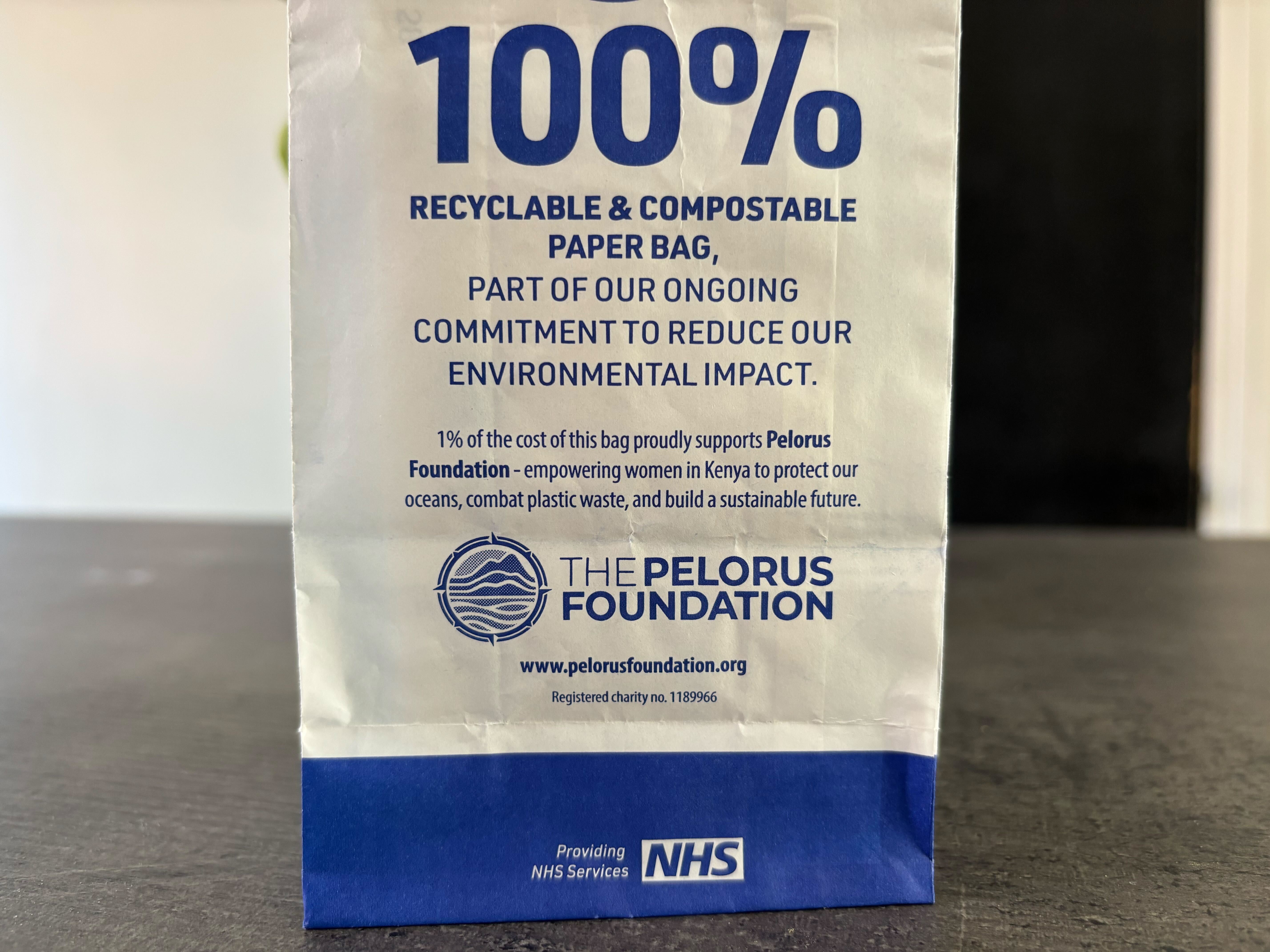
Pelorus Foundation has partnered with PISPO to turn everyday pharmacy packaging into support for women-led plastic action on Kenya’s coast, helping Mama Karangas remove waste, strengthen livelihoods and protect an important turtle nesting area.

A Landmark Moment for the Ocean

Pelorus Foundation celebrates with excitement the UK's ratification of the High Seas Treaty, an important step for marine protection, and a big step towards the global goal of protecting 30% of the oceans by 2030.
London Climate Week 2026

Earth Day 2026, constructive solutions to fragile coexistence

Human–wildlife conflict is no longer a distant conservation issue. It is a daily reality for communities living alongside wildlife, and it is intensifying as climate pressures, land use change, and habitat loss push people and animals into closer contact. Across Africa, the consequences are immediate. Crops are destroyed overnight. Livelihoods are put at risk. In some cases, lives are lost. For wildlife, the outcome is just as stark, with retaliatory killings and habitat loss driving already vulnerable species closer to extinction. At Pelorus Foundation, we work with frontline partners to turn conflict into coexistence, supporting practical, community-led solutions that protect both people and wildlife.

Pelorus Foundation Impact Report 2025

British sugar over bees?

What is thiamethoxam and how does it affect our bee population and the rest of the environment?

Killed for Keratin: The Illegal Wildlife Trade